
• Cannabis News

PTSD and Marijuana: More Veterans to Gain Access

Earlier this week, the state legislature of New Jersey voted to add PTSD (Post-traumatic Stress Disorder) to the list of qualifying conditions for medical marijuana, and recently a judge in Illinois ordered that PTSD be added to the Illinois medical marijuana program, as well. While PTSD is most often associated with military veterans, it's an anxiety disorder that can happen to anyone who has been through an emotionally charged, traumatic experience, especially if that experience involved a threat of serious injury or death. The symptoms that point to PTSD include reexperiencing, avoidance, and episodes of hyperarousal that may include insomnia, social isolation, or flashbacks of the traumatic memory. PTSD persists over time because of changes that happen in the brain at the time of trauma that leave the brain hyper-responsive to adrenaline and stress.

Veterans across the country have been turning to marijuana for years to help soothe PTSD symptoms, and many are finding some relief for their symptoms. As many as 20% of military veterans who served in Iraq or Afghanistan suffer from PTSD. VA hospitals in some states like Nevada and Maine allow doctors to prescribe marijuana for their PTSD patients, but many others do not have that opportunity.

That might change with a new PTSD and marijuana study that's currently underway to determine the benefits of marijuana on veterans with PTSD. Volunteer veterans in Maryland and Arizona will be asked to smoke up to two joints a day, and report on their progress. Different strains will be tested, as well, to determine which marijuana strains might be the most effective for treating PTSD symptoms. If the study helps show some tangible benefits, it might urge more states to add PTSD to their list of qualifying conditions for medical marijuana.

Marijuana is believed to help relieve many symptoms of PTSD including insomnia, anxiety, and depression, and there may be even deeper benefits that have yet to be fully understood and realized. One study found that cannabinoids aided in the memory extinction process in mice, a finding that has huge applications for PTSD sufferers. The mice were exposed to a noise which was followed by an electric shock. After a few days, the shocks were discontinued but the mice were still exposed to the noise that used to precede the electric shock. In the mice that received the cannabinoids, they were able to readjust to the sound after a few days and no longer had a flinching response in fear of the anticipated shock. The mice that did not receive any cannabinoids never adjusted to the noise and showed the same flinching response as if they were going to get shocked even after the shocks had been eliminated. So why is this relevant for PTSD sufferers? People with PTSD can react to triggers in their environment that remind them of the intial trauma they experienced. For example, the sound of firecrackers can bring back memories and emotions associated with gunfire for those who have lived through such encounters. If cannabinoids can help mice develop memory extinction that allows them to disassociate stimuli from a learned response and instead react with a new response, human sufferers of PTSD could possibly find the same benefits.

To get the most benefit from using marijuana for PTSD symptoms like insomnia, the Veterans for Medical Cannabis Access website recommends low to moderate doses, preferably in the form of edibles that provide a precise, measurable dose. If you're taking marijuana for PTSD and you know you're going to be in a potentially triggering situation, the Veterans for Medical Cannabis Access website advises vaping or smoking a small to moderate amount, several times, in advance of the potentially triggering situation. As with any medicine intended to treat a health condition, it's always best to talk to your doctor first to find out the best type of medicine for you, how much you should take, and how often.

If you suffer from PTSD and you're lucky enough to live in a state that allows medical marijuana use for your symptoms (or if you live in a state like Colorado that has recreational marijuana), why not give marijuana a try and see if it could be of benefit? It could very well be the missing key that opens a new path toward hope and healing.

Continue Reading

COLORADO PTSD RULING

Five individuals with PTSD filed a claim against Colorado over its choice not to permit their condition to be dealt with under the state's therapeutic pot program, despite the fact that the marijuana is as of now, lawful in the state for medical and recreational purposes.

Colorado as a leader in cannabis cultivation and sales and should take a glazing look at the state of Illinois and it's most recent lawsuit filed to petition adding PTSD as a condition to the current list of approved ailments.

A Cook County judge has decided that Illinois must add post traumatic anxiety issues to the state's approved list of medical conditions that fit the bill for medicinal cannabis treatment, as reported by the Associated Press. Only one day prior to the judgement, restorative cannabis program executive Joseph Wright surrendered from his position.

The Illinois veteran who filed claim, Daniel Paul Jabs, supposedly "feels this choice gives him and other military veterans experiencing PTSD the admiration they merit from the state and the representative's office," as per an announcement by Michael Goldberg, his lawyer.

This new issue will at last permit Illinois veterans and other people who experience the ill effects of PTSD access to cannabis as medication, and will prevent the state from blocking cannabis as a treatment. This is a big triumph for cannabis-curing veterans all over the place.

Lawyers contend that cannabis has been "extremely obstructed" by the medicinal board's refusal to perceive PTSD as a condition that is fitting for medical cannabis treatment. The prohibition of PTSD from the list was made regardless of a proposal from Colorado's main medicinal officer Dr. Larry Wolk.  

Colorado Department of Public Health and Environment awarded $2 million to Dr. Sue Sisley for her study on cannabis in treating PTSD. It appears Sisley has to source the plants for the study but her sources are not able produce the kind of cannabidiol-rich strains she needs. Her source of weed being that of the University of Mississippi streamlined by the National Institute on Drug Abuse.

On the alternative, she could walk into any local dispensary and purchase what she needs for the study but  that would make things too UNcomplicated. It would simplify things and most certainly expedite the process. In addition to that, Colorado would be receiving taxes on the money that's spent in the local dispensaries. It's as though there is no common sense among-st lawmakers.  

The FDA approved two medications for PTSD, Paxil and Zoloft. According to research published in the Journal of the American Medical Association, neither are more effective than a placebo.

From a legal point of view, Colorado voters approved Amendment 20 which  allows the Board of Health to add conditions. Currently Section 14. of Amendment 20 states; Medical use of marijuana for persons suffering from debilitating medical conditions as used in this section,  terms are defined as follows;

(a) "Debilitating medical condition" means: (I) Cancer, glaucoma, positive status for human immunodeficiency virus, or acquired immune deficiency syndrome, or treatment for such conditions;

(II) A chronic or debilitating disease or medical condition, or treatment for such conditions, which produces, for a specific patient, one or more of the following, and for which, in the professional opinion of the patient's physician, such condition or conditions reasonably may be alleviated by the medical use of marijuana: cachexia ( a wasting syndrome):  severe pain; severe nausea; seizures, including those that are characteristic of epilepsy; or persistent muscle spasms, including those that are characteristic of multiple sclerosis; or

(III) Any other medical condition, or treatment for such condition, approved by the state health agency, pursuant to its rulemaking authority or its approval of any petition submitted by a patient or physician as provided in this section.

In the largest understanding of our mutual habitation on planet earth, let's get it together folks.  Suffering is absolutely unnecessary and avoidable.  Wake up and do the right thing

MrD.

10.1.2016

Continue Reading

Colorado Springs Dispensary Deals From CannaSaver

Although not as famous as the Mile High city to the north, Colorado Springs, Co is becoming an increasingly popular place to live and play. Medical marijuana dispensaries in Colorado Springs abound, and there are plenty of great weed deals in Colorado Springs if you know where to look. The next time you’re heading to Pikes Peak, the Garden of the Gods, the Cheyenne Mountain Zoo, or to one of the breweries in Colorado Springs, stop by one of these dispensaries near me to score the best CannaSaver deals in Colorado Springs.

CannaSaver Deals are now in Colorado Springs

There are tons of great CannaSaver deals in Colorado Springs--that is, if you now know to look on CannaSaver or just Google "weed deals in Colorado Springs" or "weed deals near me." CannaSaver features Colorado Springs dispensary deals from many different dispensaries, so you can be sure of getting the lowest prices on marijuana in Colorado Springs. Kind Therapeutics for instance is offering $14 grams of caviar, and $16 eighths of select strains. Kind Therapeutics is a medical marijuana dispensary in east Colorado Springs off of E. Platte Avenue at 1222 N. Academy Boulevard. They have some of the best ounce deals in Colorado Springs, too, with popcorn ounces only $60 and top-shelf ounces of any strain for just $125, Livwell Colorado Springs at 570 N. Murray Boulevard also has a good ounce deal, with pre weighed ounces on select strains going for just $89.99 with the coupon from CannaSaver.

Colorado Springs Edibles Deals on CannaSaver

If you want the best edibles deals in Colorado Springs, CannaSaver is the source for the most valuable coupons from local dispensaries. There are some great edibles deals going on right now at Kind Therapeutics and Quality Choice Alternative Care dispensaries in Colorado Springs. Some of the best edibles deals right now at Kind Therapeutics include Tincture Belle 200 mg bars for $14, Blue Kudu 400 mg bars for $26, and 100mg Canna Chews for $8. They also have Jimmy Hendrix 300 mg edibles on sale for $18, plus all Edipure Edibles are 30% off with the CannaSaver Colorado Springs edibles deal. Quality Choice Alternative Care also has some good deals this month, with six-packs of Keef Cola or Canna Elixir on sale for $60. They also offer a $5 off deal on concentrates every Wednesday.

Concentrates Deals in Colorado Springs on CannaSaver

There’s no better way to prepare for a stroll through the Garden of the Gods or the Cheyenne Mountain Zoo than to do a few dabs. Concentrates will get you high quickly and powerfully, so if you don’t have much time for blazing, wax or shatter is the way to go. Kind Therapeutics Colorado Springs dispensary has nug run wax or shatter for $26 a gram, and Mahatma wax or shatter is just $24 a gram, tax included. If you want a deal for an ounce of concentrates, you can get a full ounce of Mahatma wax or shatter for $495. There are also great Colorado Springs concentrates deals to be had at Rocky Mountain Miracles. This Colorado Springs medical marijuana dispensary is located just off highway 87 at 506 S. Nevada Avenue. Right now, they’re offering a coupon on CannaSaver for 25% off all RX Green vape products. They also have $24 grams of dabble shatter, $20 grams dabble wax or budder, and $27.50 grams of sap. If you want to stock up, you’ll get a free gram of sap from Rocky Mountain Miracles when you buy 2 grams sap at the regular price.

CannaSaver Ounce Deals in Colorado Springs

With all these great Colorado Springs weed deals, concentrates deals, and edibles specials, it’s easy to have a good time in Colorado Springs even if you don’t go anywhere except the dispensaries! There are lots of cool, fun things to do here though, so don’t miss out. After you stock up on “supplies,” get outdoors to the Garden of the Gods or take a long hike up Pikes Peak. If that sounds too strenuous, consider hitting up a Colorado Springs brewery. There are several craft breweries in Colorado Springs that offer free tours. This town might be most famous for the Garden of the Gods or the Air Force Academy, but one thing is certain.  It is soon to be famous for CannaSaver ounce deals in Colorado Springs.

Continue Reading

Doc’s Apothecary Opens New Globeville Dispensary

If you live or work near the Globeville Neighborhood in North Denver, be sure to stop by Doc’s Apothecary’s newest location at 4080 Globeville road. Known for their top-notch, high quality marijuana products, this Globeville dispensary is offering some hot deals on concentrates and pre-rolls to celebrate the grand opening of their new store.

For starters, members can get five premium pre-roll joints for just $16, everyday. And if that weed deal isn’t enough to get you through the door, how about a whole ounce of concentrates for the low price of $375? This deal on a shatter slab is about the lowest price on an ounce of concentrates in Denver that you will find. If you’re thinking that just a little dab will do ya, single grams of concentrates are $20, all day everyday at Doc’s Apothecary Globeville. You can find many more Doc’s Apothecary coupons on Cannasaver, and they update their deals frequently so there’s always a bargain to be found on the high quality marijuana products you want.

 If you’re not familiar with Globeville, it’s just northwest of the RiNo arts district and right off I-25. Doc’s Apothecary Globeville dispensary only sells medical marijuana for now, so you will have to have your med card to shop there. Don’t have a med card? Doc’s also has a Northglenn dispensary near DIA Denver International Airport that happily serves both recreational and medical customers.

Stop by the Globeville dispensary today and help us congratulate our friend’s at Doc’s Apothecary on the grand opening of their newest location!

Continue Reading

What Medical Marijuana Means for the South

 
Florida has passed medical marijuana into legalization, and they could be responsible for more expansion of the industry than they realize. Since Florida is in close proximity to some particularly anti-marijuana southern states, we may see some similarities between what has been happening in Colorado and what could happen to Florida, but there is a chance that their participation in the industry could lead to a much faster acceptance in surrounding states.

I am from Tennessee, which is not a great place to live if you want marijuana to be an important part of your life, as even with heartbreaking stories of kids with ailments that could be extremely effectively remedied by medical cannabis, the push to get any sort of new state legislation on the plant has always failed. But now that Florida will be cultivating medical marijuana there is most likely going to be an overflow of black market sales from Florida to surrounding states, as that market never completely disappears, even in Colorado where you would think recreational sales would have helped squelch that presence there are still many people who use dispensary deals to make extra money on the side.

Some time ago Colorado came under scrutiny from surrounding states because it was said that their law enforcement was having to deal with more and more issues coming from recreational sales, people crossing state lines with products either just bought for themselves or in some cases just general trafficking. While this is of course a negative it does begin to tear down arguments against marijuana use, especially when you see your state’s populous leaving to go somewhere else to spend their money. This has an interesting effect of encouragement on the public from surrounding states, and can help push a state government to more seriously consider just what it is their state may be losing out on by not having their own medical or recreational programs in place.

The initial effect is generally some degree of exodus, and we will probably see many of the people that genuinely need cannabis for medical purposes moving to Florida from surrounding states. In Colorado’s case this heavily impacted the real estate market, and should they decide to move forward with recreational sales they will also see a great rise in their already substantial tourism industry. But even more important is the presence of an acceptance of marijuana in the south.

The south really has made no advancement in marijuana acceptance or legislation, with the exception of some instances where CBD products are available in medical capacities, but recreational might as well be a curse word. But now that Florida has begun their journey to solidify their own medical market, the southern states will have to sit by and watch as Florida rakes in money that could be theirs if they were to think about some form of legalization. This presence alone is important, as the previous closest place to watch deal with the marijuana industry was Washington D.C. I believe.

I left Tennessee to come to Colorado to be a part of this industry and gain as much experience as I could so that someday I could return and help my home’s market expand as much as possible, but the main reason I left was because I felt that southern states would be among the last to accept any kind of industry existence. But now that Florida has begun their journey I am much more hopeful that the south will take a much harder look at just what can be gained from participation in this growing marijuana world. I just hope that it goes well, so that I can go home someday and help the people close to me.


Continue Reading

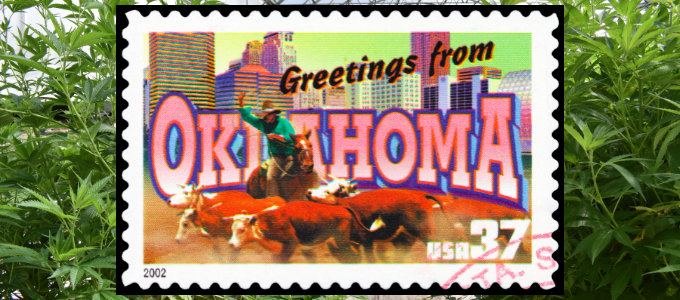
On June 26, 2018, Oklahomans voted overwhelmingly to pass State Question 788. This made the Sooner State the 30th state in the union to legalize a medical cannabis program. This historic event not only laid the groundwork to create the Oklahoma Medical Marijuana Authority but created the framework that allows residents to become licensed to use medical marijuana. Ever since the formation of the medical program in Oklahoma, there has been a surge of interest in medical marijuana

Delta 9 THC Gummies

Patients want to quickly get licensed and get into a legal dispensary to buy everything from flower by the ounce to concentrates & carts, and even Rick Simpson Oil. One of the most common concerns, however, is whether a physical ID card is needed to get into a dispensary. 

Since many patients are notified of their approval before the card actually arrives, they are understandably eager to get stocked up on their preferred products. We’re going to dig into just what you’ll need to be able to shop your local dispensary, and how to best take advantage of local offers and discounts.

Can You Go Into A Dispensary Without A Card In Oklahoma?

The short answer is no. 

You will need a physical, state-issued medical marijuana card in order to even enter a dispensary. In most cases, once you enter the dispensary you will be required to present your medical card and photo ID to be allowed entry to the main sales floor.

Additionally, the law requires that anyone in possession of marijuana or other cannabis products, for medical purposes, to have a medical card. This means that even if you could get into a dispensary and buy something without a card, you would still be breaking the law by not being licensed to possess the products. This is crucial if you are stopped by law enforcement while transporting your medicine home. 

How Can I Get A Medical Card In Oklahoma?

Even though you’ll need a medical card to get into any medical marijuana dispensary in the Sooner State, getting one isn’t complicated, and once you’ve got it you’ll be able to get the medicine and care you need. Here’s a quick rundown on the steps you’ll need to take to get legal.

Qualifying

There are some basic qualifications that you’ll need to meet before you can make an official application, but it’s generally quick and easy. First, you’ll need to be at least 18 years old, and be able to prove your identity. You’ll also need to include current, valid proof of Oklahoma residency, and a full-face color digital picture.

The final qualifier is that your application will also need to include a recommendation from a licensed physician, which is the step that most people dread. However, unlike the medical programs in many other states, Oklahoma has not legislated a specific list of conditions that qualify. There are even telehealth services that allow you to meet with a physician, virtually, to obtain the recommendation needed for your Oklahoma medical card. 

Application & Approval

Once you have the required documentation and your physician’s recommendation, you’ll need to submit the application to the Oklahoma Medical Marijuana Authority or OMMA. They are the governing body charged with approving and licensing all activities related to medical cannabis.

I’ve Got My Oklahoma Medical Card - Now What?

Once you’ve got your card in the mail, all that’s left is to shop for your meds. Many patients will visit a dispensary that same day, and probably spend more than they need to on their purchase. 

Before you head out, the best thing to do is browse the dispensary’s inventories, look for deals, and place your order. This way you can get the best price on what you want, and it can help avoid impulse buys that may or may not be economical. Below are some of the most popular medical marijuana categories.

Flower

Dried flower is one of the most popular ways to consume medical cannabis. Not only is there a wide variety of strains and effects available, but it is often one of the most cost-effective products. Many dispensaries offer deals for flower by the ounce.

Prerolls

Like flower, but don’t like the hassle of constantly grinding it and rolling your own? Skip the whole process with professional prerolls. Same medicine without the wait, and perfect for portability.

Concentrates

Concentrates, dabs, wax. Call it what you will, but cannabis extracts are one of the hottest ways to consume. You can get a robust dose in just one or two hits while getting a richer terpene profile for the best smell and taste you can imagine.

Carts

For the potency of concentrates with unmatched portability, vape carts are the way to go. Full of delicious terpenes, and some of the highest potency products available. 

Edibles

With many conditions, smoking or even vaping can prove too harsh or difficult. For more convenient dosing, edibles like gummies, candy, and even drinks can have you feeling better fast.

Clones & Seeds

Many people prefer to grow their own, putting their own love and care into their medicine. To keep your garden full to its limits, local dispensaries will also have clones and seeds. Find deals on the strains you love, and get your green thumb working. 

Things to Know About Medical Marijuana in Oklahoma

The Oklahoma medical marijuana industry is booming, and with a little effort and a license fee, any residents with qualifying conditions and a physician’s recommendation can begin shopping. The state is also ready to ask Oklahomans to vote on State Question 819, which if passed, will create a recreational marijuana market for the Sooner State in just two months. 

While many other states have been able to pass recreational legislation on top of previously-approved medical infrastructure, some have failed or have taken much longer to implement. With that in mind, you may want to get your medical card now so that you can avoid delays, as well as take advantage of the ongoing coupons and sales that many dispensaries have. 

Continue Reading
CannaSaver Blog

Cannabis Topicals

Posted by CANNASaver on Friday, 17 June 2022 in Canna Blog

Getting older, ain’t it fun? 

Waking up with a sore back. Twisting your ankle climbing over the kids' toys. Spraining your knee thinking you can play sports as you did in high school. An assorted list of chronic pain.

At this point, many people are well aware of marijuana’s amazing ability to ease various aches and pains. But maybe you’re someone who doesn’t enjoy smoking or “getting high.”

But let me ask, could you potentially use the healing benefits cannabis has to offer?

If you’re like me, you aren’t getting any younger. Might as well do something natural for those annoying daily pains.

Enter: Cannabis topicals, a much safer substitute for the typical painkillers (opiates, etc.) doctors’ will prescribe.

Daily activities don’t need to be a struggle. Let’s look at what cannabis topicals are, how they work, the types of topicals you’ll find, and why topicals may improve your overall health.

What are Cannabis Topicals?

Cannabis topicals are marijuana-infused products that are applied to the skin to provide relief to the area of soreness. Topicals are extremely fast-acting and will provide you with hours of relief for various pains/muscle soreness, inflammation, and even aid in skincare routines.

Cannabis topicals come in lotions/creams, oils, salves, gels, and transdermal patches.

Cannabis topicals are the number one choice for those who need the restorative impact that cannabis provides without the psychoactive effect marijuana can create.

How Do Cannabis Topicals Work?

This is where your body's naturally embedded endocannabinoid framework comes in. Everyone has an endocannabinoid system. Your endocannabinoid system manages your state of mind, appetite, and pleasure/pain receptors.

The cannabinoids, the compounds that make cannabis what it is, found in the topicals work by binding to your cannabinoid receptors associated with pain and inflammation. 

When a cannabis topical is applied, you will probably begin feeling the effects within an hour. 

Those who have utilized the effects of cannabis topicals have reported relief from pain, soreness, overall tension, and inflammation. Great for headaches and migraines which some people deal with daily. Topicals also aid in skin conditions like dermatitis and psoriasis. 

Types of Cannabis Topicals Available

There are a few different types of cannabis topical products out there so that when you go to your local dispensary, you know what to ask for...

Lotions and Creams

Cannabis lotions and creams are more liquid in substance and are non-greasy.  They are easy to apply and can be used anywhere on your body. These topicals are the best for those using cannabis for skincare routines.

Oil

Cannabis oils are thicker than lotions. Oils are very flexible in terms of usage. They can be applied either topically or ingested orally. 

Salves 

Cannabis salves are a thick, greasy substance that usually contains beeswax. Salves are typically hardened substances that must be warmed in order to apply.

Gels

Gels are transparent, viscous fluids made up of cellulose (plant skin). Gel has a cooling sensation which makes it a potent product for fighting migraines or headaches. Gels also assist with easing sinus pressure.

Transdermal Patches

Transdermal patches are the strongest type of cannabis topical available. These topicals are the only kind with the possibility of getting you high. Purely CBD patches will not have a psychoactive effect.

Patches come with an adhesive side that you stick like a bandaid. The patch works best when applied to an area of your body with lots of blood flow. Patches work by spreading the cannabinoid within the patch throughout your bloodstream.  Patches can work for up to 12 hours.

The Health Benefits of Cannabis Topicals

The health benefits of cannabis topicals have been used by humans for centuries, dating all the way back to ancient Egypt. Cannabis topicals are popular for their pain-relieving and anti-inflammatory effects.

Cannabis Topicals have a wide range of health benefits. Maybe they can help you with one of these ailments.

Pain Relief

The blend of THC and CBD together is known to be the most ideal way to alleviate pain on a significant level. 

Through the chemical interaction known as the entourage effect, THC and CBD work hand and hand to dull pains you may be experiencing. This is much more powerful than THC or CBD independently.

The kinds of pain that cannabis topicals can assist with include nerve pain, arthritis, and muscle stiffness/spasms.

Anti-Inflammation

Do you have a burn, sprain, swelling, or annoying bug bite? Rub some cannabis topical on it!

Cannabis topicals are potent anti-inflammatories. They provide localized relief to a specific area, potentially allowing you to avoid taking various medications associated with inflammation.

Arthritis is a common health issue associated with pain and inflammation. The anti-inflammatory properties of cannabis topicals are bliss for individuals with arthritis since inflammation of your joints causes the arthritis.

Also, utilizing some cannabis topicals after exercising is an amazing method for combating muscle tension/soreness.

Antiseptic

Did you ever think you could effectively have some cannabis in your first aid kit?

Cannabis topicals are now being acknowledged for their disinfectant potential.

Cannabinoids found in marijuana, like THC and CBD, have been found to be effective in killing Methicillin-resistant Staphylococcus aureus (MRSA); which is a disease known as a superbug which resists antibiotics. 

This suggests that cannabinoids have antibacterial properties and hold the potential for addressing issues like antibiotic resistance.

Aids in Skincare

Yep, cannabis topicals can help out with your skin, too!

Relief For Eczema

Properties found in cannabis topicals, such as anti-itch and anti-inflammatory, could be incredibly useful if you are someone suffering from eczema and its symptoms. 

Topicals also reduce the need for occasionally prescribed steroid creams. These kinds of creams can be harmful and often your body will build a resistance to this type of cream; only meaning bigger and bigger doses needed of the steroid cream. 

Reducing Acne

Are you someone who can’t seem to rid yourself of your pesky, painful acne? 

You can now breathe a sigh of relief. 

Topicals are rich in cannabinoids, vitamins, and antioxidants which are known to keep acne in check. Cannabinoids, such as CBD, have been shown to effectively regulate how much oil your skin produces. 

Anti-Aging

As we fight to figure out where the fountain of youth is, cannabis topicals may just be the next best option.

Topical cannabinoids have powerful, cell-regenerative properties that can target skin irritation/damage. This makes cannabis topicals a potentially useful remedy for those who want to look younger. 

Sadly, topicals cannot reverse damage caused by the sun or the Earth’s environment, but they do offer a reduction of the visible impact.

Continue Reading

Slowly but surely, pot prohibition is ending state by state. Usually, states start with okaying marijuana use for medical reasons. In June of 2018, that’s precisely what Oklahoma did.

That made it the 30th US state to allow medical weed use. In the first year, 7300 cannabis-related companies were licensed. Over 5% of Oklahoma residents are currently certified for prescribed pot.

As of yet, however, the government has not opened up the state for recreational use. However, the legislature did decriminalize possession for non-medical use. There’s still a fine, but no jail time for small amounts.

Let’s take a look at specific laws about Oklahoma medical marijuana. You should know particulars about licensing and possession.

Visitors to the state can get temporary permits. We’ll discuss that in more depth.

Then we’ll talk about the possibility of the state legalizing recreational in the future.

Lastly, we’ll show how you can save on Oklahoman prescribed pot.

Let’s start by detailing what the law allows.

oklahoma medical marijuana laws

What is OK in the Oklahoma Medical Use Law?

There’s something very significant about Oklahoma’s requirements for cannabis-consuming patients. That is that there are no qualifying conditions. All that is necessary is a doctor’s recommendation.

That’s unusual compared to other places with legalized medical marijuana. Other states, like Illinois for example, have a list of provisos for prescribing weed. Not so in Oklahoma.

So, what does the law stipulate?

The medical recommendation from a doctor must include written documentation.

There is a requirement that patients have to be at least 18 years old. Those younger than that need no less than two doctors to write recommendations. Underage applicants also must have the support of their parents or a guardian.

Only parents or guardians can pick the pot up from dispensaries for younger users.

Applications for all aspiring users are approved or denied within 14 days.

Cultivation of plants by and for patients is allowed. Though, like any other state that has legalized growing, there are limitations.

Caregivers can also be qualified to provide services. This benefits license holders who may be homebound.

Those applying to operate bud businesses must be at least 25 years old. They must also be state residents. All operations must be 75% owned by Oklahomans.

The fee for business licensing is $2500. It is non-refundable if the application fails.

Licenses, regulations, and administration fall to OMMA. That’s the Oklahoma Medical Marijuana Authority. They oversee rules and procedures for patients and caregivers. Further, dispensaries, growers, processors, and physicians fall under their jurisdiction.

The agency maintains a state website. There, patients and providers can apply for licenses. There are also links to streamline the process for personal and business applicants. And they give answers to frequently asked questions.

All medical cards are also registered with OBNDDC. That's the Oklahoma Bureau of Narcotics and Dangerous Drugs Control.

The cost of each application is $100. For patients with Medicaid or Medicare, the cost is only $20. All approved medical cards are good for two years.

medical marijuana in oklahoma

What About Out-of-State Weed Patients?

Medical-use patients with a card from another state can apply for a temporary patient license. That waiver is good for 30 days. The cost for a temporary permit is $100, the same as a residential certification.

With a temp license, visitors can shop at any certified dispensary within the state. They can also possess and grow ganja. But only for 30 days from the issuing of their permit.

In 2021, a move was made to amend the rules for visitors. The Oklahoma House of Representatives did pass a bill expanding temporary licenses to 2 years. But that did not pass in the senate, thus the temp license remains at 30 days.

Tourists cannot bring their own stash of weed into Oklahoma. Marijuana is still federally illegal and so transporting any across state lines is a crime. Out-of-state medical users must buy within the state.

How Much Medical Marijuana Can You Buy at a Time?

Approved state license holders can possess up to eight ounces of marijuana flower in their homes. At any one time, patients are allowed three ounces of weed on their person.

For concentrates the limit is one ounce.

Edible products cannot exceed 72 ounces.

Those cultivating cannabis can own no more than six mature marijuana plants. Additionally, they may have up to six non-flowering seedling plants. So, that’s a combination of 12 plants altogether.

Out-of-staters with a temporary med card have the same purchasing and possession limits.

The state decriminalized possession, but that doesn’t mean there’s nothing to worry about. If you’re unlicensed and are holding cannabis, there is some concern.

Those who don’t have a med license face a minimum $400 fine if found in possession of pot. That’s if they have no more than 1 and a half ounces of cannabis. More than that and the fine steepens, plus there’s the likelihood of jail time.

For businesses, there are limits to sales to individuals. Provisioning centers are prohibited from selling over three ounces of cannabis flower. Restrictions specify no more than one ounce of marijuana concentrate dispensed at one time. There is a cap of 72 total ounces of medical marijuana products.

medical marijuana regulations in oklahoma

Is Recreational Next for Oklahoma?

As of early 2022, there are two petitions to put recreational pot use on the ballot. If passed, the initiative seeks to also have convictions for possession reversed. It also would expunge criminal records.

Also proposed is a 15% excise tax on potential sales. Currently, there is a 7% tax on all medical marijuana sales - plus state sales tax.

Time will tell if Oklahoma voters go the way of other states and add a recreational weed option.

Oklahoma Marijuana Deals on Cannasaver

Because Cannasaver is now in Oklahoma, medical marijuana cardholders can save some money!

It’s not hard to find great bud bargains, just type ‘Oklahoma’ into the upper search bar. Then click Oklahoma under location. That will show you relevant deals and dispensaries.

Then you can shop, save, and enjoy!

Continue Reading
Tagged in: medical marijuana
CannaSaver Blog

Illinois Marijuana Laws

Posted by CANNASaver on Thursday, 24 March 2022 in Canna Blog

Nowadays, a number of states have legalized weed. Some have "okayed" cannabis recreationally, some medically, and some both.

Illinois has both types. And, just like every other legal state, it has laws. These laws govern who can have weed and how much. Further, they govern who can grow it and who can sell it.

There are differences in the rules for medical and recreational users. They regulate how much and what kind of weed either kind of cannabis consumer can have. And they regulate the total amount of THC in the marijuana merchandise you buy.

There are even guidelines for out-of-state shoppers. The legislature has been quite thorough in enacting laws to govern the use of ganja. Let's go over Illinois marijuana laws – both recreational and medical.


Let's start with when this all began.

When Did Marijuana Become "Legalized" in Illinois?

The legalization of cannabis in the United States began with medical use in California in 1996. Following that, Washington and Colorado were the first states to legalize recreational in 2012.

Illinois approved a limited medical marijuana program in 2013. Recreational weed was approved by the legislature to begin in January of 2020.

There are some notable differences between the two categories of weed laws. 

We’ll look at those distinctions in depth.

Medical Marijuana Laws in Illinois

The state’s Compassionate Use of Medical Cannabis Pilot Program Act took effect on July 15, 2014. It allowed for 35 qualifying conditions. Notably, at the time, qualifiers did not include chronic pain, the main reason for most medical use.

A qualified doctor must attest that marijuana is a necessary medicine for applicants. Anyone 18 years old and up can apply for a license. In some instances, adults can apply for caregiver licenses for minor children. 

There have been significant adjustments to rules for patients since 2014. For instance, chronic pain has been added to the acceptable conditions list. The opioid crisis was a major motivator for expanding medical marijuana access.

How much can cannabis cardholders acquire?

How Much Medical Can You Buy at a Time?

Pot patients in the Land of Lincoln, as Illinois is known, can get 2.5 ounces, or 71 grams, of ganja within a two-week period

They may own up to 5 grams of concentrates. 

They may have up to 500 mg of THC period. 

Flower, edibles, and concentrates cannot exceed 500mg of total THC.

Should a doctor indicate, cardholders can get waivers for more weed through the state. 

Plants are also possible for patients to get and grow, but they are limited to five. As with many states, cannabis crops must be kept out of public view. Using weed is also restricted to private, personal spaces.

Cannabis consumers with a med license can also purchase through registered caregivers. These agents can only serve one patient at a time. They can also pick up marijuana medicine for homebound patients. Caregiver cannabis has the same limits as other medical marijuana licenses.

How are laws and limits different for casual users?

Recreational Marijuana Laws in Illinois 

In 2016, the state did decriminalize possessing less than 10 grams of marijuana. For small amounts, the penalty was set at $200.

January 2020 was the beginning of recreational use in the state. The law stipulates an age limit of 21 years or older.

As with pretty much every other state, it is prohibited to use cannabis products in public. Transportation must be in sealed containers stored away from anyone driving an automobile. Obviously, driving while high is a crime.

Breaking weed laws have severe consequences. 

For instance, holding more than 30 to 100 grams of marijuana is considered a Class A misdemeanor. And that is punished by up to a year in prison, plus a potential fine of $2500.

Only licensed dispensaries can sell weed, recreational or otherwise. Individuals cannot sell cannabis to anyone else. Nor can individuals grow their own plants without a medical license.

Individual localities in Illinois can decide if they want to allow provisioning centers. They cannot supersede state laws about personal use or possession. You can find out where to legally buy weed from the Illinois Department of Financial and Professional Regulation. Or by searching here on Cannasaver, especially in the Chicago area.

Cannabis consumers must show a valid ID. You must prove you are 21 years old or older. All sales are cash because, at this time, credit cards cannot be used.

There is an allowance for out-of-state users to buy recreationally. They also need a valid ID from their own state. Visitors have reduced amounts they can purchase, as detailed below.

Suffice to say, tourists also face stiff penalties if they possess over the legal limits.

All that said, how much can recreational users buy?

How Much Recreational Can You Buy at a Time? 

As indicated above, the regulations are different for casual cannabis use.

Those without a med license can get up to an ounce of herb. Cannabis concentrates are limited to 5 grams. And edibles or tinctures are restricted to 500 milligrams of THC.

The total limit is 500 milligrams. 

That’s all of the THC altogether between flower, concentrates, and edibles.

That’s the rub in Illinois – they restrict the amount of THC in the weed you buy. So, you can purchase less weed with higher THC levels. These limits are for a two-week period – thus every two weeks you can buy and own up to the restrictions.

As previously mentioned, out of staters can get recreational cannabis in Illinois. However, they are restricted to half the amount locals can get. So, that’s a half-ounce of flower and 2.5 grams of concentrate. The total THC cap is 250 milligrams. That’s everything - flower, edibles, and concentrates added together.

For locals or tourists, there are ways to save some green on your ganja.

Illinois Marijuana Deals on Cannasaver 

Cannasaver is now in Illinois! Filter Illinois dispensaries by typing in "Chicago" in the top search bar. Then click "Chicago" under "Location."

We offer the best dispensary deals and coupons with savings of up to 75% on ounces, concentrates, shatter, wax, edibles, and more.

30% off your first medical purchase at Sunnyside!

Mindy's Edibles 100mg $30 in Chicago!

Bedford Grow Concentrates $70/1Gram

Continue Reading

There is widespread weed legalization from state to state. Yet cannabis consumers who travel can run into a real problem. When you leave your state, you can’t take it with you. That’s because federally, weed is still illegal.

It’s a big country and sometimes you gotta get where you’re going by plane. Air travel is governed by the Transportation Security Administration. Currently, the TSA only makes allowances for medical users. But even if you have a medical use license, you can still potentially get in legal trouble.

For recreational weed users, there are no real TSA exemptions. So, if you can’t bring your stash with you, are you straight out of luck? Not necessarily.

There are recreational states that do allow you to buy with an out-of-state license. Let’s take a look at local cannabis laws.

Can You Buy Recreational Weed with an Out-of-State License in Colorado?

Colorado is a popular tourist destination. There’s Rocky Mountain National Park. Skiers flock to Vail and Aspen. Suffice to say, there’s much to see and do.

For 420 enthusiasts, Colorado is special. It was the first state to legalize both medical and recreational cannabis

Cool, but what does it mean for our jurisdiction tokers?

For Colorado locals, you have to be 21 or older to buy recreational weed. With a medical license, you can shop dispensaries as young as 18 years old. Out-of-state visitors can buy as much marijuana as residents. Tourists merely need a valid form of ID, such as a driver’s license from their own local.

So, that’s a big yes for buying buds recreationally, even if you aren’t a Colorado native.

How Much Recreational Weed Can You Buy in Colorado?

In Colorado, both residents and guests are limited to 1 oz of cannabis flower

The law further specifies that to be equal to 8 grams of concentrate or 800 milligrams of edibles. That’s just one of those not all three. They will add the weight of the weed together.

Can You Buy Recreational Weed with an Out-of-State License in Arizona?

Arizona is another place people like to visit. 

What’s there? There’s Hoover Dam – that’s really interesting. 

Deserts are everywhere. 

Oh, yeah, and they also have the Grand Canyon. It’s a big attraction.

What’s the situation with legalization? 

First of all, recreational cannabis became legal there in 2021. State law allows local residents who are 21 years or older to buy cannabis. And medical marijuana is allowable for 18-year-olds and up.

But can you buy weed there if you’re just visiting? Tourists can indeed buy cannabis with a valid legal ID. As with Colorado, a driver’s license will do ya.

Therefore, Arizona gets a thumbs up for being friendly to out-of-state stoners.

How Much Recreational Weed Can You Buy in Arizona?

Now in Arizona, visitors get to buy up to an ounce of bud. Both concentrates and edibles are limited to 5 grams. Again, that’s the total amount. So, authorities will add them collectively. And officials will penalize you for going over the ounce limit – or the equivalent in concentrates and/or edibles.

Can You Buy Recreational Weed With an Out-of-State License in Illinois?

How about the ‘Land of Lincoln’ as Illinois is known?

You may decide to go visit Illinois for a number of reasons

Chicago is one of the biggest tourist destinations. 

There are museums, restaurants, and entertainment venues aplenty in the Windy City. But Illinois also boasts a number of pleasant parks and scenic drives along Lake Michigan. Consequently, you likely will find much to do while on vacation there.

How is the local ganja scene? In 2020, cannabis consumption for recreational users became allowable by law in Illinois. Medical licenses are available for those with qualifying medical conditions. In both medical and recreational instances, you have to be at least 21 years old.

Residents can buy 30 grams of marijuana or up to 500 grams of THC. Thus, they restrict the amount of the psychotropic element in pot. So, you can get less of higher-level THC cannabis.

And are visitors allowed to buy Illinois herbs?  

The answer is once again a resounding yes. As with the other places above, tourists just need a driver's license or other legal ID.

That said, the Illinois legal situation is a bit more complex. It’s still good, but there’s more you must pay attention to. 

How Much Recreational Weed Can You Buy in Illinois?

The rules in Illinois for pot products, between residents and visitors, are not the same. Tourists are restricted to half the legal limit that residents can buy - 15g of flower or 250g of THC. And only purchasing 2.5 grams of concentrates. And those as well as edibles count towards the 250 grams of THC.

Cities like Gulfport, along the Illinois border, may get traffic from those wanting to cross state lines. But taking the weed back over to another state is illegal.

Out-of-State Recreational Weed Laws Summarized

So, what have we learned?

In none of the areas above are you allowed to take any dispensary purchases back out of state. 

You have to consume your cannabis while you are there on vaycay.

Also, all of the places we looked at do allow provisioning center purchases for people who come from out of state. However, there are limits to how much herb each of them allows.

Now, you’re not going to fill up a trash bag with ganja goodies in any of the above locations. All these places put restrictions on how much marijuana even locals can buy. Generally, visitors have the same restrictions or more.

Great Deals on Recreational Weed

Okay so, did you think we’d take you this far without some recreational discounts on weed

Whether you’re a resident or visitor, you can save on your bud. 

Cannasaver offers the best dispensary deals and coupons with savings of up to 75% on ounces, concentrates, shatter, wax, edibles, and more.

Simply search by area in the top-left search bar, or click on Featured Stores to find dispensaries nearest you!

Continue Reading

Weed Deals Near Me View All

(each) Donny Burger +CBN | Disposable | 1g
Coshocton - Rec & Med 62.72 miles
(each) Later Days - Disposable - PP - 0.84g
Columbus - Rec & Med 4.99 miles
(14.15g) Dual OG
(14.15g) Dual OG
Piqua - Rec & Med 65.2 miles
(g) B52 Bomber
(g) B52 Bomber
Newark - Rec & Med 30.85 miles
(g) Animal Face
(g) Animal Face
Riverside - Rec & Med 60.69 miles
(g) Cherry On Top | For a Good Night Indica
Wapakoneta - Rec & Med 74.14 miles
(g) White Nightmare Ice Hash
Hillsboro - Rec & Med 62.68 miles
(each) Airo - Pro Battery - Scarlet Storm
Jeffersonville - Rec & Med 36.99 miles

Archive